
Back-to-School Anxiety: How Northern Virginia Parents Can Help
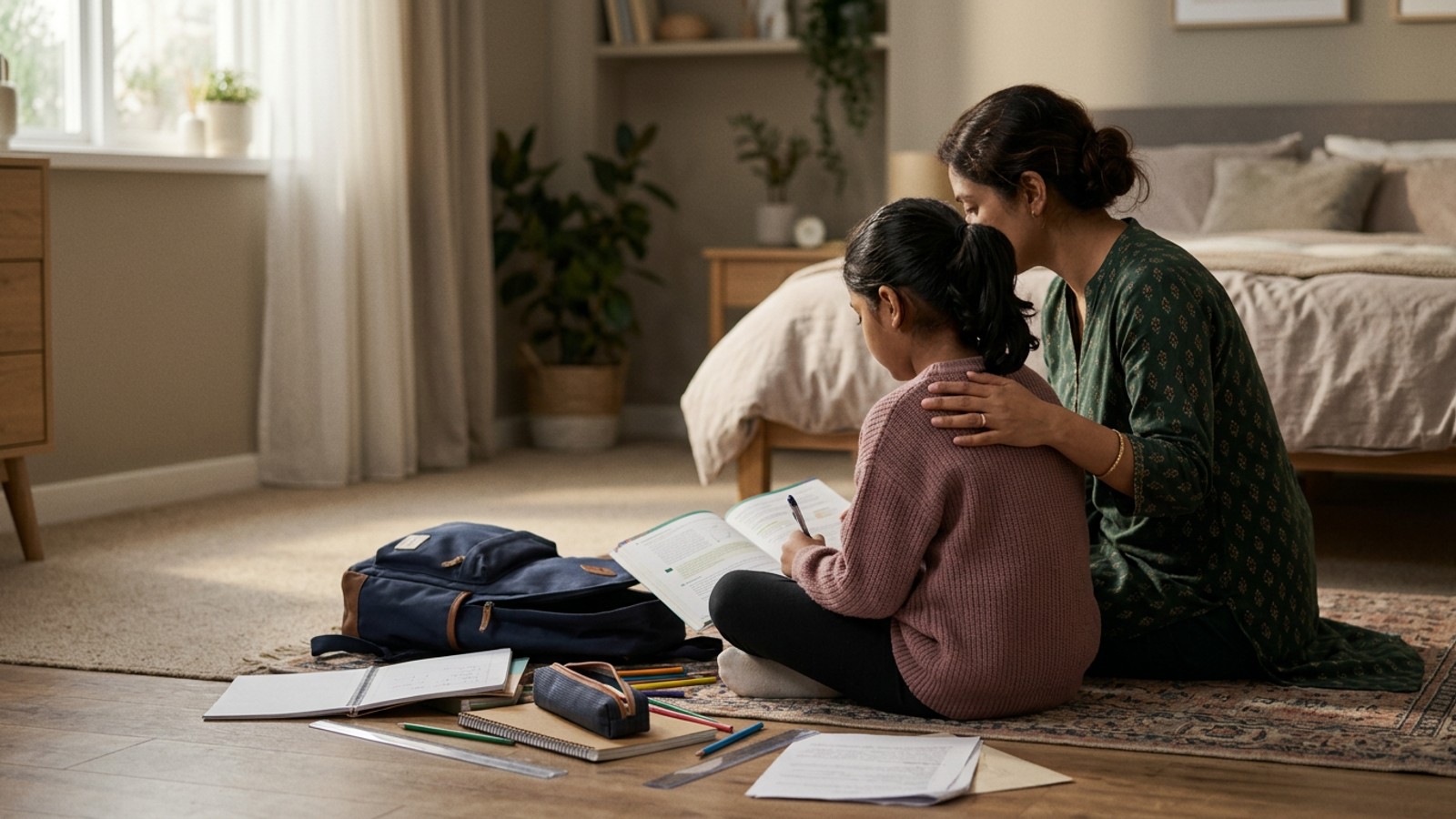
You've just picked up school supply lists, and your child's new backpack sits waiting by the door. But as August approaches, you notice something: your usually energetic child is quieter than usual, complaining of stomachaches in the morning, or asking worried questions about the new school year. You're not alone. For many children across Northern Virginia—from Gainesville to Alexandria to Haymarket—the transition back to school brings a mix of excitement and anxiety.
The good news? This anxiety is both common and manageable. With the right preparation and support, you can help your child move from worry to confidence before the first bell rings.
Why Does Back-to-School Anxiety Happen?
Back-to-school anxiety isn't about a child being "difficult" or "too sensitive"—it's a natural response to change and uncertainty. According to the American Psychological Association, it's often the fear of the unknown that creates the most stress for children: new classmates, unfamiliar teachers, harder classes, or simply not knowing what to expect.
Children heading back to the classroom may worry about being separated from their families, especially younger children or those transitioning to a new school. The Child Mind Institute notes that this anxiety sometimes shows up physically—headaches and stomachaches in the morning that make a child say they're too sick to attend school.
Even older children and teens aren't immune. The shift from elementary to middle school, or middle to high school, brings academic pressure, social navigation, and new expectations that can feel overwhelming.
What Does Back-to-School Anxiety Look Like?
Recognizing anxiety early helps you respond with empathy rather than frustration. Watch for these signs in the weeks leading up to school:
- Physical complaints: frequent stomachaches, headaches, or fatigue with no medical cause
- Sleep changes: trouble falling asleep, nightmares, or wanting to sleep in your room
- Clinginess or separation worries: not wanting you to leave, even for short trips
- Irritability or mood swings: snapping at siblings, tearfulness, or withdrawing
- Avoidance: refusing to talk about school, resisting back-to-school shopping, or saying they don't want to go
These behaviors aren't manipulation—they're communication. Your child is telling you they need help managing what feels unmanageable.
How Can You Help Before School Starts?
The next few weeks before school begins offer a window to build your child's confidence and reduce anticipatory anxiety. Here are evidence-based strategies you can start today:
1. Talk About It (Without Pressuring)
Create space for your child to voice their worries without dismissing them. Instead of "You'll be fine!" try "What part of going back feels hardest for you?" Listen without rushing to fix. Sometimes just being heard is what a child needs most.
If your child struggles to name their feelings, offer options: "Are you worried about finding your classroom? Making friends? The work being too hard?" Naming the worry takes away some of its power.
2. Visit the School If Possible
Familiarity reduces fear. If your child's school allows it, visit the building before the first day. Walk the halls, find the classroom, locate the bathroom and cafeteria. Let your child see their new space when it's calm and quiet.
For older students transitioning to a new school, attend orientation events or open houses. Knowing where to go on day one eliminates one major source of stress.
3. Re-Establish Routines Gradually
Children thrive on predictability, but jumping from summer freedom to a rigid school schedule overnight can feel jarring. Two weeks before school starts, begin easing back into routines:
- Move bedtime earlier by 15 minutes every few nights
- Reintroduce a morning routine: breakfast, getting dressed, packing a bag
- Set aside time for reading or quiet activities to rebuild focus
Predictability creates a sense of safety, especially for anxious children.
4. Teach Simple Calming Strategies
Anxiety lives in the body—rapid heartbeat, tight chest, shallow breathing—so teaching body-based coping skills gives your child tools they can use anywhere, anytime. Research shows that cognitive-behavioral anxiety management strategies, including breathing exercises, imagery, and relaxation, help children manage anxious feelings.
Try these together:
- Box breathing: Breathe in for four counts, hold for four, breathe out for four, hold for four. Repeat.
- Belly breathing: Place a hand on the belly and breathe deeply so the hand rises and falls.
- Visualization: Imagine a safe, calm place—maybe the beach, a favorite room, or a treehouse—and describe it in detail.
Practice these when your child is calm so they become automatic when anxiety shows up.
5. Role-Play Common Scenarios
If your child worries about specific situations—asking a teacher for help, finding a seat in the cafeteria, or what to do if they get lost—practice them at home. Role-playing removes the mystery and gives your child a script to follow.
For example: "Let's pretend I'm your teacher and you need to ask a question. What would you say?" Rehearsing builds confidence.
6. Focus on Connection, Not Perfection
Remind your child that school isn't about being perfect—it's about learning and growing. Share a story from your own childhood about a time you made a mistake or felt nervous. Normalize struggle.
Celebrate effort over outcomes: "I'm proud of you for trying" means more than "I'm proud you got an A." This reduces performance pressure and helps anxious children see that mistakes are part of the process, not a catastrophe.
When Should You Seek Professional Support?
Most children adjust within the first few weeks of school as the new becomes familiar. But some need additional help. If you're wondering whether your child's anxiety requires professional support, consider reaching out to a counselor if:
- Severe meltdowns or refusal to go to school persist beyond two to three weeks
- Physical symptoms lead to repeated nurse visits or requests to leave school
- Anxiety interferes with sleep, eating, friendships, or daily functioning
- Your child expresses feelings of hopelessness or says they "can't do it"
Therapy isn't a last resort—it's a proactive step. A counselor trained in working with children can teach coping skills, process worries, and help your child build resilience. Many children benefit from just a few sessions that give them tools and perspective. (For more on ongoing school anxiety support, see our guide on helping your child thrive with school anxiety.)
At Life Enrichment Counseling Center, our therapists use evidence-based approaches like cognitive-behavioral therapy (CBT), play therapy, and art therapy to help children express what they're feeling and develop strategies to manage anxiety. We work with children, teens, and families to make transitions smoother and build confidence that lasts beyond the school year.
What If YOU Feel Anxious?
Parents often carry their own back-to-school stress—juggling schedules, worrying about their child's adjustment, managing work and carpool and activities. Remember: your child picks up on your emotional state. If you're anxious, they feel it.
Take care of yourself. Talk to a partner, friend, or therapist about your own worries. Model the coping strategies you're teaching your child. Show them that it's okay to feel nervous and that there are healthy ways to manage it.
Moving Forward with Confidence
Back-to-school anxiety is real, but it doesn't have to define your child's experience. With preparation, open communication, and the right support, your child can move from worry to readiness. The weeks before school starts are an opportunity—not just to buy supplies, but to build emotional resilience that will serve your child all year long.
If your child is struggling with anxiety about returning to school—or if you'd like guidance on how to support them through this transition—our team is here to help. Life Enrichment Counseling Center offers compassionate, expert counseling for children, adolescents, and families in Gainesville, Alexandria, Haymarket, and Port St. Lucie, Florida, as well as telehealth across Virginia and Florida.
To schedule an appointment with one of our licensed therapists, call us at (703) 754-0636 or visit our website. Let's help your child start the school year with confidence.
Life Enrichment Counseling Center has been supporting Northern Virginia families since 2005. Our team of more than 30 therapists specializes in child and adolescent counseling, play therapy, art therapy, anxiety treatment, and family support. Dr. Beverley Boothe, Ph.D., MSW, LCSW, founded the practice with a vision of holistic counseling that helps children, teens, adults, and families heal and grow.