
Is My Child Traumatized? Recognizing Signs of Trauma in Children
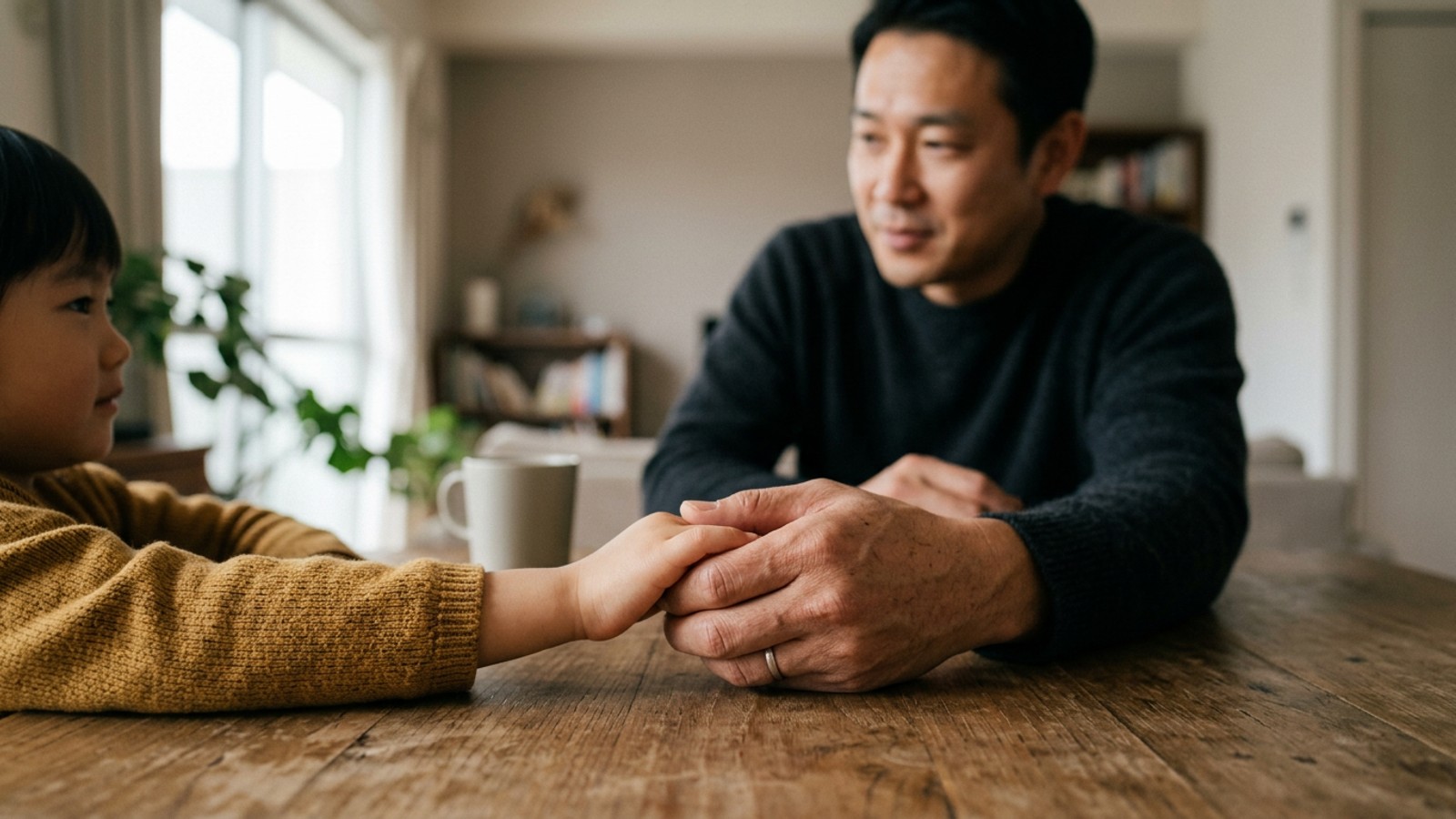
Is your child's behavior suddenly different—more clingy, more defiant, more withdrawn—and you're wondering if something deeper is going on? Children process trauma differently than adults, and their distress often shows up in ways parents don't immediately recognize as trauma-related. A child who survived a car accident might develop intense separation anxiety. A preschooler who witnessed domestic violence might suddenly regress to bed-wetting. A teen who experienced bullying might withdraw socially and let grades slip, looking more like depression than trauma.
Trauma in childhood is common. More than two-thirds of children report encountering at least one traumatic event by age 16 (SAMHSA, 2024). These events range from abuse, neglect, and witnessing violence to natural disasters, serious accidents, medical trauma, loss of a caregiver, or sudden family disruption. While not every child exposed to trauma develops lasting problems, research shows that about 15% to 43% of girls and 14% to 43% of boys experience at least one trauma, and of those exposed, 3% to 15% of girls and 1% to 6% of boys develop post-traumatic stress disorder (PTSD) (Breeze Wellbeing, 2026).
If you're worried your child may be struggling with the aftermath of a traumatic experience, understanding what trauma looks like at different ages—and when behavioral changes signal a need for professional support—can help you respond effectively.
What Counts as Childhood Trauma?
Childhood trauma refers to experiences that overwhelm a child's ability to cope and create lasting feelings of fear, helplessness, or horror. Trauma isn't defined by the event itself but by the child's response to it. What traumatizes one child may not traumatize another, depending on the child's age, temperament, prior experiences, and the support available afterward.
The National Child Traumatic Stress Network identifies several categories of potentially traumatic events: physical, sexual, or emotional abuse; neglect; witnessing domestic violence or community violence; natural disasters (hurricanes, fires, floods); serious accidents or medical emergencies; sudden loss of a loved one; refugee or war experiences; and bullying or peer violence.
It's important to understand that even events adults consider "minor" can be traumatic for a child. A dog bite, getting lost in a store, an invasive medical procedure, or a frightening car accident might seem manageable to an adult but can overwhelm a young child's developing nervous system. Conversely, some children display remarkable resilience even after severe events, especially when they have strong caregiver support and healthy coping skills.
How Do Children React to Trauma Differently Than Adults?
Children don't process trauma the same way adults do. They lack the cognitive and emotional tools to make sense of overwhelming experiences, and their distress often emerges as behavioral changes rather than verbal expressions of fear or sadness.
Young children, in particular, can't articulate what they're feeling. Instead of saying "I'm scared because I don't feel safe anymore," a preschooler might become clingy, have tantrums, refuse to sleep alone, or act out the traumatic event in play. Older children and teens might withdraw socially, become irritable or defiant, struggle academically, or engage in risky behaviors—responses that parents and teachers often misinterpret as attitude problems rather than trauma symptoms.
Additionally, children's reactions are heavily influenced by how the adults around them respond. As NIMH notes, "How adults respond to trauma can strongly influence how children and adolescents react to trauma" (NIMH). A calm, supportive caregiver who acknowledges the child's distress and provides reassurance helps buffer the traumatic impact. Conversely, a caregiver who is overwhelmed, dismissive, or unavailable can unintentionally worsen the child's symptoms.
What Are the Signs of Trauma in Young Children (Ages 5 and Under)?
Preschool-aged children show trauma in ways that reflect their developmental stage. They don't have the words to describe what they're feeling, so their distress comes out in behavior and physical symptoms.
Common signs in young children include excessive clinginess—following the caregiver constantly, crying when separated, refusing to let the parent out of sight. You might also see regression to earlier developmental stages like bed-wetting after being potty-trained, thumb-sucking, or baby talk (NIMH).
Traumatized young children often show increased fearfulness that seems disproportionate to the situation: fear of the dark, fear of being alone, fear of monsters or "bad people." They may incorporate elements of the traumatic event into their play—repeatedly crashing toy cars together after a vehicle accident, or acting out scenes of violence with dolls.
Sleep disturbances are common: nightmares, difficulty falling asleep, or waking frequently during the night. You might also notice more frequent tantrums, irritability, or aggressive behavior that wasn't present before the traumatic event.
Physical complaints like stomachaches or headaches without a clear medical cause can also signal trauma. Young children often experience emotional distress as physical sensations, so unexplained body aches warrant attention—especially if they coincide with other behavioral changes.
What Does Trauma Look Like in School-Aged Children (Ages 6-12)?
As children enter school age, trauma symptoms begin to look different. They have more cognitive capacity to understand what happened, but they also internalize worry and guilt in ways younger children don't.
School-aged children who've experienced trauma often struggle academically. They may have trouble concentrating, remembering instructions, or completing assignments—not because they're unmotivated, but because trauma keeps their nervous system on high alert, making it hard to focus (NIMH). Teachers might report that a previously engaged student now seems distracted, forgetful, or disengaged.
Social withdrawal is another key sign. Traumatized children often lose interest in activities they used to enjoy, pull away from friendships, or avoid situations that remind them of the trauma. A child who loved soccer might refuse to go to practice after being injured during a game. A child who witnessed violence at school might resist going to school altogether.
Sleep problems and nightmares persist in this age group, as do physical complaints like headaches, stomachaches, or muscle tension. Some children develop new fears or obsessive worries about safety—constantly asking "What if something bad happens?" or checking locks and windows.
Importantly, school-aged children may express guilt or self-blame, especially if they believe they could have prevented the trauma or protected someone else. They might also express wishes for revenge or intense anger toward the person they perceive as responsible.
How Do Adolescents Show Signs of Trauma?
Trauma in teenagers can look remarkably like other adolescent struggles—depression, defiance, or "typical teen behavior"—which is why it's often missed. But when these symptoms appear suddenly or intensify after a traumatic event, they deserve closer attention.
Adolescents who've experienced trauma may withdraw socially, spending excessive time alone in their room, dropping out of extracurriculars, or cutting off friendships. Academic performance often declines sharply—not because they don't care, but because trauma interferes with concentration, memory, and motivation.
Mood changes are common: irritability, anger outbursts, persistent sadness, or emotional numbness. Teens might seem detached or unresponsive, as if they're going through the motions of daily life without really being present.
Risky behaviors can emerge as teens try to cope with overwhelming feelings. This might include substance use (alcohol, marijuana, or other drugs), reckless driving, self-harm, or sexually risky behavior (NIMH). These behaviors often serve as attempts to numb emotional pain or regain a sense of control.
If your teen talks about suicide or self-harm, don't wait for an appointment: call or text 988 (Suicide & Crisis Lifeline) or text HOME to 741741 (Crisis Text Line), any time. If anyone is in immediate danger, call 911.
Some teens become hypervigilant—constantly scanning their environment for danger, startling easily, or seeming perpetually on edge. Others avoid reminders of the trauma, refusing to talk about it, dodging certain places or people, or insisting "I'm fine" when they're clearly not.
Jerry Bubrick, PhD, a clinical psychologist at the Child Mind Institute, emphasizes that trauma responses don't always appear immediately: "If a child seems to be coping well now, they might still have a poor reaction later" (Child Mind Institute). A teen who seems resilient in the immediate aftermath might develop symptoms weeks or months later, often triggered by anniversaries, reminders, or new stressors.
When Do Normal Reactions Become a Trauma Disorder?
It's normal for children to show distress after a frightening or overwhelming event. Most children will have some disrupted sleep, clinginess, worry, or mood changes in the days and weeks following trauma. These reactions are the body's natural way of processing stress, and for many children, they gradually improve with time, support, and reassurance.
The key question is whether symptoms persist, worsen, or significantly interfere with the child's daily functioning. When symptoms last longer than one month and disrupt the child's ability to function at school, at home, or in relationships, post-traumatic stress disorder (PTSD) becomes a concern.
PTSD symptoms in children fall into four clusters. First, re-experiencing symptoms: intrusive memories, nightmares, flashbacks, or extreme distress when reminded of the trauma. Second, avoidance: actively avoiding people, places, conversations, or activities that remind them of what happened. Third, negative changes in mood and thinking: persistent fear, guilt, shame, loss of interest in activities, emotional numbness, or distorted beliefs like "the world is completely unsafe" or "it was my fault." Fourth, arousal symptoms: hypervigilance, exaggerated startle response, irritability, angry outbursts, difficulty concentrating, or sleep disturbances.
If your child is showing multiple symptoms from these categories, and those symptoms are lasting beyond a few weeks or getting worse, it's time to seek professional evaluation. (If you're unsure whether your teen's symptoms are trauma-related or something else like anxiety or depression, you might find this article helpful: Is It Anxiety or Just Stress? Signs Your Teen May Need Support.)
What Else Can Look Like Trauma in Children?
Not every behavioral change signals trauma. Sometimes what looks like trauma is actually anxiety, ADHD, depression, adjustment to a major life change, or a developmental phase.
For example, increased fearfulness and clinginess can be typical separation anxiety, which peaks around ages 1-3 and again when starting school. Academic struggles and distractibility might be undiagnosed ADHD rather than trauma-related concentration problems. Mood changes and social withdrawal in teens can be depression, which often emerges in adolescence independent of trauma exposure.
The distinguishing factor is usually timing and context. Trauma symptoms typically appear after a specific frightening or overwhelming event—a clear "before and after." If your child's behavior changed suddenly following an accident, loss, move, exposure to violence, or other significant event, trauma is more likely. If behavioral issues have been gradual and ongoing without a clear precipitating event, other causes should be explored.
Professional evaluation is important when you're unsure. A trained therapist or child psychologist can assess whether your child's symptoms are trauma-related, part of another mental health condition, or a combination of both. Many children who've experienced trauma also develop co-occurring anxiety, depression, or behavioral disorders, which require comprehensive treatment.
What Should You Do If You Suspect Your Child Is Traumatized?
If you believe your child may be struggling with trauma, taking action early makes a significant difference. Trauma doesn't typically resolve on its own—children need support to process what happened and develop healthy coping strategies.
Start by creating a safe, predictable environment at home. Maintain consistent routines for meals, bedtime, and activities. Predictability helps children feel secure when their internal world feels chaotic. Offer reassurance without forcing them to talk about what happened. Let them know you're available when they're ready, and validate their feelings without judgment.
Limit exposure to reminders of the trauma when possible, but don't avoid them entirely—avoidance can reinforce fear rather than resolve it. If your child is ready, gently help them talk about what happened in age-appropriate ways, using their own words and respecting their pace.
Pay attention to your own reactions. Children take emotional cues from their caregivers. If you're visibly panicked, overwhelmed, or dismissive, your child will struggle more. If you can stay calm, available, and reassuring, your child will feel safer.
Most importantly, seek professional help if symptoms persist beyond a few weeks, worsen over time, or significantly interfere with daily functioning. Trauma therapy—particularly evidence-based treatments like Trauma-Focused Cognitive Behavioral Therapy (TF-CBT)—has strong research support for helping children recover. A 2024 meta-analysis found that TF-CBT produces large improvements in PTSD symptoms and related difficulties, with effects maintained at 12-month follow-up (Thielemann et al., 2024). Early intervention prevents trauma from becoming entrenched and interfering with development.
How Does Trauma Therapy Help Children?
Trauma therapy for children is different from general counseling. Evidence-based trauma treatment uses structured approaches that help children process the traumatic memory safely, reduce distressing symptoms, and rebuild a sense of safety and control.
Trauma-Focused Cognitive Behavioral Therapy (TF-CBT) is the most widely researched and recommended treatment for children and adolescents with trauma symptoms. TF-CBT combines cognitive-behavioral techniques, trauma processing, and parent involvement to help children make sense of what happened, challenge unhelpful beliefs (like "it was my fault" or "I'm not safe anywhere"), and develop coping skills for managing distress.
For younger children, play therapy and trauma-focused art therapy provide nonverbal ways to express and process overwhelming experiences. Young children often can't verbalize what they're feeling, but they can show it through play, drawing, or creative activities guided by a trained therapist. (For more on how play therapy works, see How Play Therapy Helps Children Express What They Can't Say.)
Therapy also involves working with parents. Caregivers learn how to respond to trauma symptoms, provide effective support, and manage their own emotional responses to their child's distress. Parent involvement is critical—children recover faster when their caregivers understand trauma and can reinforce therapeutic skills at home.
Treatment length varies depending on the severity of symptoms, but most trauma-focused therapies run 8-25 sessions. Many children see significant improvement within the first few months of consistent treatment.
When Trauma Goes Untreated: Long-Term Risks
Not all children who experience trauma develop lasting problems, especially when they have strong support systems and effective early intervention. But untreated trauma in childhood carries significant risks.
Children with unresolved trauma are at higher risk for chronic anxiety, depression, substance abuse, and relationship difficulties as they grow older. The CDC's landmark Adverse Childhood Experiences (ACE) study found that 63.9% of U.S. adults reported at least one adverse childhood experience, and those with multiple ACEs had dramatically higher rates of chronic health conditions, mental illness, and early death (Swedo et al., 2023).
Trauma affects brain development, particularly in areas responsible for emotional regulation, impulse control, and stress response. Without intervention, these neurological impacts can persist into adulthood, affecting academic achievement, employment, parenting, and overall quality of life.
Early treatment changes these trajectories. Children who receive trauma therapy learn skills that protect them throughout life—how to regulate emotions, reframe negative thinking, seek support, and cope with stress in healthy ways. These skills don't just heal trauma; they build resilience for future challenges.
Getting Help for Your Child's Trauma
If your child is showing signs of trauma—whether behavioral changes, emotional distress, sleep problems, or academic struggles following a frightening or overwhelming event—professional evaluation and treatment can help them heal and move forward.
At Life Enrichment Counseling Center, our team of licensed therapists provides evidence-based trauma therapy for children, adolescents, and families throughout Northern Virginia and Port St. Lucie, Florida. We offer Trauma-Focused Cognitive Behavioral Therapy (TF-CBT), trauma-focused art therapy, play therapy, and family counseling to help children process traumatic experiences and regain a sense of safety and well-being.
Dr. Beverley Boothe, Ph.D., MSW, LCSW, founded the practice in 2005 to provide compassionate, holistic mental health care. Our experienced clinical team works with children who've experienced abuse, neglect, witnessing violence, medical trauma, loss, natural disasters, accidents, and other traumatic events. We offer in-person therapy in Gainesville, Alexandria, and Haymarket, VA, and Port St. Lucie, FL, as well as secure telehealth services for families across Virginia and Florida.
You don't have to navigate this alone. If you're worried your child may be struggling with the effects of trauma, contact us today to schedule a consultation. Early intervention makes a lasting difference, and healing is possible.
References
Breeze Wellbeing. (2026). Childhood trauma statistics: 2026 data (with infographics). https://breeze-wellbeing.com/blog/childhood-trauma-statistics/
Child Mind Institute. (n.d.). Signs of trauma in children. https://childmind.org/article/signs-trauma-children/
National Institute of Mental Health. (n.d.). Helping children and adolescents cope with traumatic events. https://www.nimh.nih.gov/health/publications/helping-children-and-adolescents-cope-with-disasters-and-other-traumatic-events
Swedo, E. A., Aslam, M. V., Dahlberg, L. L., Niolon, P. H., Guinn, A. S., Simon, T. R., & Mercy, J. A. (2023). Prevalence of adverse childhood experiences among U.S. adults — Behavioral Risk Factor Surveillance System, 2011–2020. MMWR Morbidity and Mortality Weekly Report, 72(26), 707–715. https://pmc.ncbi.nlm.nih.gov/articles/PMC10328489/
Thielemann, J. F. B., Kasparik, B., König, J., Unterhitzenberger, J., & Rosner, R. (2024). Stability of treatment effects and caregiver-reported outcomes: A meta-analysis of trauma-focused cognitive behavioral therapy for children and adolescents. Trauma, Violence, & Abuse, 25(2), 1293–1307. https://journals.sagepub.com/doi/10.1177/10775595231167383