
Childhood Burnout: When Overscheduling and Pressure Exhaust Your Child
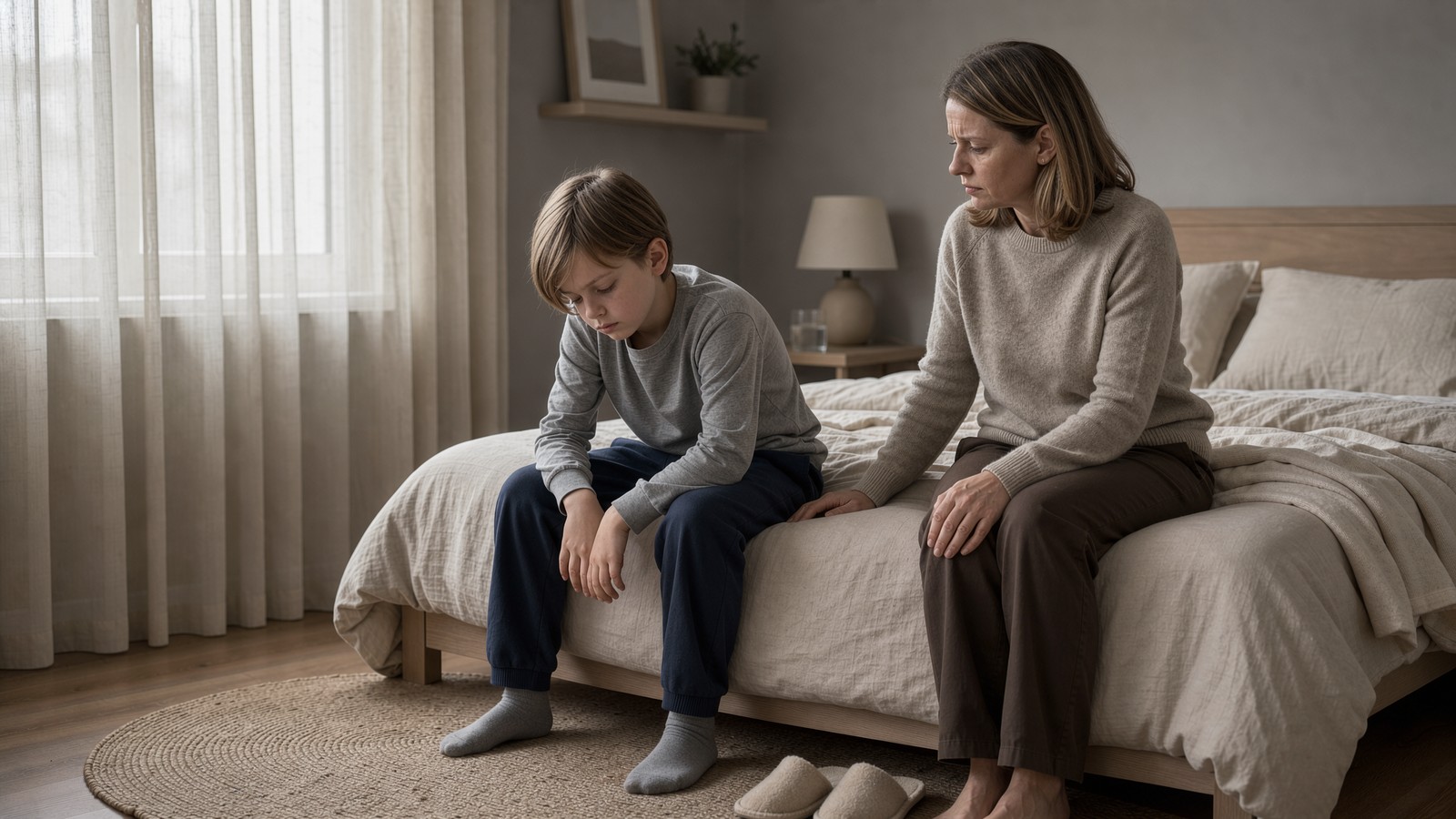
Childhood burnout is real. Pediatricians, educators, and mental health professionals are seeing a rise in emotional exhaustion among children and teenagers in 2026, with many children facing packed schedules, academic pressure, social media influence, and competitive extracurricular activities that create chronic stress. Unlike temporary stress from a big test or an upcoming performance, burnout is a state of chronic exhaustion that doesn't lift when the immediate pressure passes. It shows up as persistent fatigue, loss of interest in activities that once brought joy, irritability, physical complaints with no clear medical cause, and a sense of being overwhelmed that no amount of rest seems to fix.
If your child used to love soccer but now drags their feet to practice, complains of frequent headaches or stomachaches, seems emotionally flat or easily frustrated, and tells you they're "tired all the time" despite getting enough sleep, these may not be signs of laziness or a bad attitude. They may be signs of burnout.
What Is Childhood Burnout?
Burnout in children is a psychological condition induced by chronic stress that is not being managed well. It stems from feelings of being overwhelmed and a lack of control over the situation. The term "burnout" originally described workplace exhaustion, but mental health professionals now recognize that children can experience it too when their lives become dominated by scheduled activities, expectations, and pressure with little time for rest, play, or autonomy.
Recent analysis found that when kids' days get too packed with homework and enrichment activities, the extra time may do more to hurt their mental well-being than help it. Researchers found those who spent more time in extracurricular activities were more likely to struggle with anxiety, depression, and anger. The key factor is balance. While being involved in activities can build social skills, self-esteem, and interests, overscheduling can lead to stress, burnout, and mental health challenges.
The American Psychological Association's October 2024 report on achievement culture documented elevated rates of anxiety and depression among children in heavily scheduled environments, noting that the issue crosses income levels. It's not just affluent families pushing their children into elite sports or academic programs. Middle and lower-income families also face pressure to keep children competitive and engaged, often out of concern for their future opportunities.
How Is Burnout Different from Anxiety or Depression?
Parents often struggle to distinguish burnout from anxiety or depression because the symptoms overlap. Here's how they differ:
Anxiety is characterized by excessive worry, fear, and physical symptoms like rapid heartbeat or shortness of breath. An anxious child worries intensely about future events, performance, or social situations. According to NIMH, children and teens with generalized anxiety disorder may worry excessively about everyday things, have trouble controlling their worries, feel irritable or on edge, and experience physical pain such as headaches, muscle aches, or stomachaches.
Depression involves persistent sadness, loss of interest in activities, feelings of worthlessness, and changes in sleep or appetite. A depressed child may withdraw from friends, cry frequently, or express hopelessness about the future.
Burnout is chronic exhaustion from sustained pressure and overstimulation. A burned-out child feels depleted, detached, and defeated. They may still perform in their scheduled activities but derive no joy from them. They go through the motions because they feel they have no choice. Burnout is about depletion and disconnection, not worry (anxiety) or sadness (depression), though all three can coexist.
One of the reasons childhood burnout is missed is because it often appears in well-behaved children. These are the kids who don't complain, who keep showing up, who push through exhaustion because they've learned that adults expect it. Parents and teachers may not notice the internal struggle until the child suddenly refuses to go to school, quits an activity abruptly, or experiences a physical or emotional collapse.
What Are the Signs of Childhood Burnout?
Recognizing burnout early helps you intervene before it becomes entrenched. Watch for these patterns:
Physical Exhaustion That Sleep Doesn't Fix
Your child complains of being tired constantly, even after a full night's sleep. They may take frequent naps, struggle to wake up in the morning, or say they feel "drained" or "heavy." This is different from typical tiredness after a busy day. It persists across weeks and doesn't improve with rest.
Frequent Physical Complaints
Headaches, stomachaches, muscle tension, or other symptoms with no clear medical cause appear regularly, especially before scheduled activities. Stress and chronic exhaustion live in the body, and children often express emotional distress through physical symptoms.
Loss of Interest in Activities They Once Loved
Your child used to beg to go to dance class, basketball practice, or art lessons. Now they ask to skip it, make excuses, or participate halfheartedly. They no longer talk excitedly about their activities or show pride in their accomplishments. This isn't occasional boredom. It's persistent disengagement from things that once brought genuine joy.
Irritability, Mood Swings, or Emotional Withdrawal
A child experiencing burnout may snap at siblings, cry easily over small frustrations, or seem emotionally numb. They may withdraw from family interactions, preferring to be alone in their room. With younger children, burnout can display itself by reverting to behaviors they showed as toddlers or preschool-age children. Teenagers show more signs of burnout through disconnection and isolation.
Decline in Academic Performance or Motivation
Despite spending hours on homework, your child's grades slip, or they struggle to focus. They may forget assignments, lose interest in school, or express feelings of hopelessness about their ability to keep up. This isn't laziness. It's cognitive overload from chronic stress.
Lack of Free Time or Unstructured Play
If your child's schedule is packed from morning until bedtime with school, homework, lessons, practices, and other obligations, with little time for free play, downtime, or self-directed activity, they are at risk for burnout. Research on free play is consistent: unstructured time where children direct their own activity builds self-regulation, creativity, and frustration tolerance.
Why Is Childhood Burnout Happening?
Multiple factors contribute to the rise in childhood burnout:
Competitive Academic Environments
Even elementary-age children may feel pressure related to standardized testing, grades, performance expectations, and future success. A 2024 National Education Association analysis found that time in structured enrichment activities, including tutoring, sports, school clubs, and homework, is creating "too much stress" for a significant portion of students, particularly when participation is driven by parent expectations rather than child interest.
Overscheduling of Extracurricular Activities
Many children participate in multiple sports, music lessons, academic enrichment, and social activities every week. While these can be beneficial in moderation, the problem occurs when the calendar gets so packed there's no room left for rest, free play, family time, or even sleep. Experts say unstructured playtime helps kids build creativity, problem-solving skills, independence, and emotional regulation, all things a packed calendar can crowd out.
Social Media and Constant Comparison
Children today grow up with constant exposure to curated images of peers' achievements, vacations, and social lives. This fosters a sense that everyone else is doing more, achieving more, and having more, which fuels pressure to keep up.
Parental Anxiety About the Future
Many parents schedule their children's lives out of genuine concern for their future opportunities. They worry that without early exposure to competitive sports, advanced academics, or enrichment activities, their child will fall behind. This anxiety, while understandable, can unintentionally communicate to children that their worth is tied to performance and productivity rather than simply being loved for who they are.
Research shows that child-driven motivation produces developmental benefits, while parent-driven scheduling pressure often produces the opposite. When children participate in activities because they genuinely want to, they develop skills, confidence, and resilience. When they participate because adults expect it, the same activities can become sources of stress and depletion.
What Can Parents Do to Prevent or Address Burnout?
If you recognize signs of burnout in your child, or if you want to prevent it, here are evidence-based steps you can take:
Audit Your Child's Schedule
List every scheduled commitment your child has in a typical week: school, homework, lessons, practices, tutoring, clubs, chores, and travel time. How much time remains for unstructured play, rest, family meals, and downtime? If the answer is "very little," it's time to make changes.
Ask yourself: Is each activity something my child genuinely wants to do, or is it something I think they should do? Would my child miss this activity if we stopped, or would they feel relieved? The answers can guide you toward what to keep and what to let go.
Prioritize Free Play and Downtime
Build unscheduled time into your child's day where they can play, read, daydream, or simply be bored. Boredom is not a problem to solve. It's a space where creativity, self-direction, and emotional regulation develop. Research consistently shows that unstructured time is essential for healthy child development.
Let Your Child Drop Activities Without Guilt
If your child asks to quit an activity, resist the urge to insist they "finish what they started" if burnout is the issue. Sometimes quitting is the healthiest choice. Talk with your child about why they want to stop. If the answer is exhaustion, loss of interest, or feeling overwhelmed, honor that. You're teaching them that their well-being matters more than external expectations.
Model Balance in Your Own Life
Children learn more from what they see than what they hear. If your own schedule is packed with work, obligations, and productivity with no time for rest or joy, your child absorbs the message that this is how life should be. Talk about your own need for downtime. Demonstrate that rest is valuable, not lazy.
Focus on Connection Over Achievement
Make time for family meals, conversations, and activities that have no agenda beyond being together. Ask your child about their day not to monitor their performance but to understand their experience. Celebrate effort and character over outcomes and accolades. Let your child know they are loved for who they are, not for what they accomplish.
Teach Your Child to Recognize and Communicate Their Limits
Help your child develop the language to express when they feel overwhelmed. Phrases like "I need a break," "I'm feeling stressed," or "This is too much" are important self-advocacy skills. Validate those feelings when they express them. Don't dismiss or minimize what they're experiencing.
When Should You Seek Professional Help?
Not every tired child needs therapy, but professional support can be beneficial if your child's exhaustion and disengagement persist despite reducing their schedule, if they express feelings of hopelessness, worthlessness, or that nothing matters, if physical symptoms interfere with daily functioning or lead to frequent school absences, or if you've made changes but your child isn't improving. (For guidance on recognizing when your child's stress requires professional support, see our article on helping children build healthy coping skills.)
Therapy can help children process the pressure they feel, develop healthy coping strategies, rebuild connections to activities they once loved, and learn to set boundaries. Family counseling can also help parents examine the expectations they place on their children and shift family culture toward balance and connection rather than achievement and productivity.
What Does Recovery from Burnout Look Like?
Recovery from childhood burnout doesn't happen overnight. It requires sustained changes to your child's schedule, expectations, and environment. Over time, you'll notice signs that your child is healing: they start showing genuine enthusiasm for activities again, they have more energy and complain less of physical symptoms, their mood stabilizes and they laugh or play more freely, they reconnect with friends and family, and they sleep better and wake more easily.
Most importantly, they begin to look like themselves again. The spark returns. Recovery is possible when children are given the space, time, and permission to rest, play, and simply be children.
Moving Forward
Childhood burnout is not a character flaw or a sign of weakness. It's a signal that your child's nervous system is overwhelmed and needs relief. In a culture that glorifies busy schedules and early achievement, choosing to slow down and prioritize your child's well-being over external expectations is a radical and necessary act of love.
If your child is showing signs of burnout, or if you're concerned about the pressure they're facing, Life Enrichment Counseling Center is here to help. Our therapists understand the unique pressures children and families face today, and we work with children, teens, and parents to build healthier, more balanced lives. We offer counseling in Gainesville, Alexandria, and Haymarket, VA, as well as Port St. Lucie, FL, plus telehealth across Virginia and Florida. Reach out through our contact page when you're ready for support.
References
American Psychological Association. (2024). Achievement culture report. https://www.apa.org/topics
Kidsville Pediatrics. (2026). Why More Parents Are Talking About Childhood Burnout in 2026: Signs, Causes, and How to Help. https://www.kidsvillepeds.com/blog/1457041-why-more-parents-are-talking-about-childhood-burnout-in-2026-signs-causes-and-how-to-help/
National Education Association. (2024). Data analysis on enrichment activities and student stress. https://www.nea.org
National Institute of Mental Health. (n.d.). Anxiety Disorders. https://www.nimh.nih.gov/health/topics/anxiety-disorders
Youth Today. (2024). Overscheduling kids' lives causes depression and anxiety, study finds. https://youthtoday.org/2024/02/overscheduling-kids-lives-causes-depression-and-anxiety-study-finds/