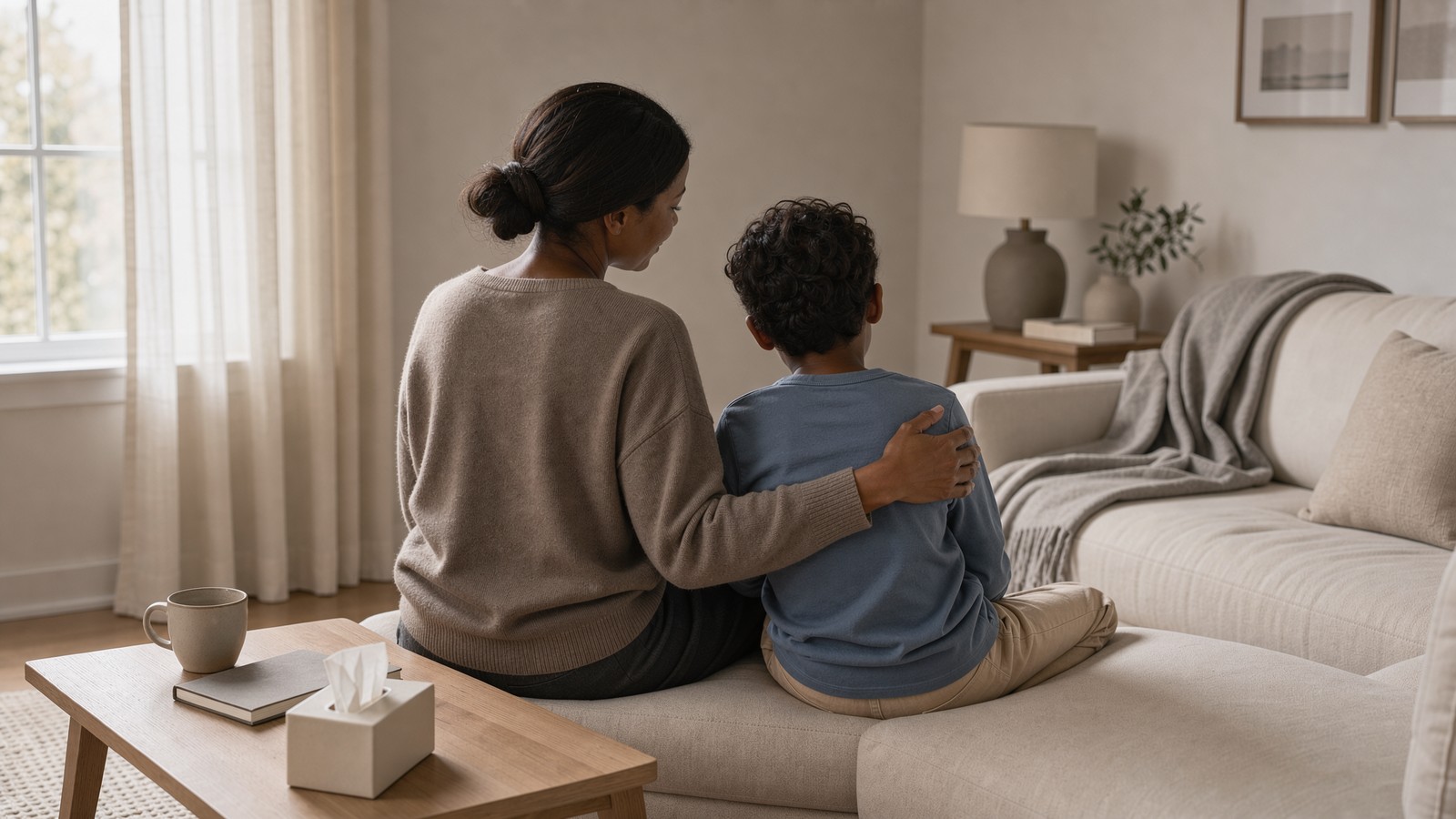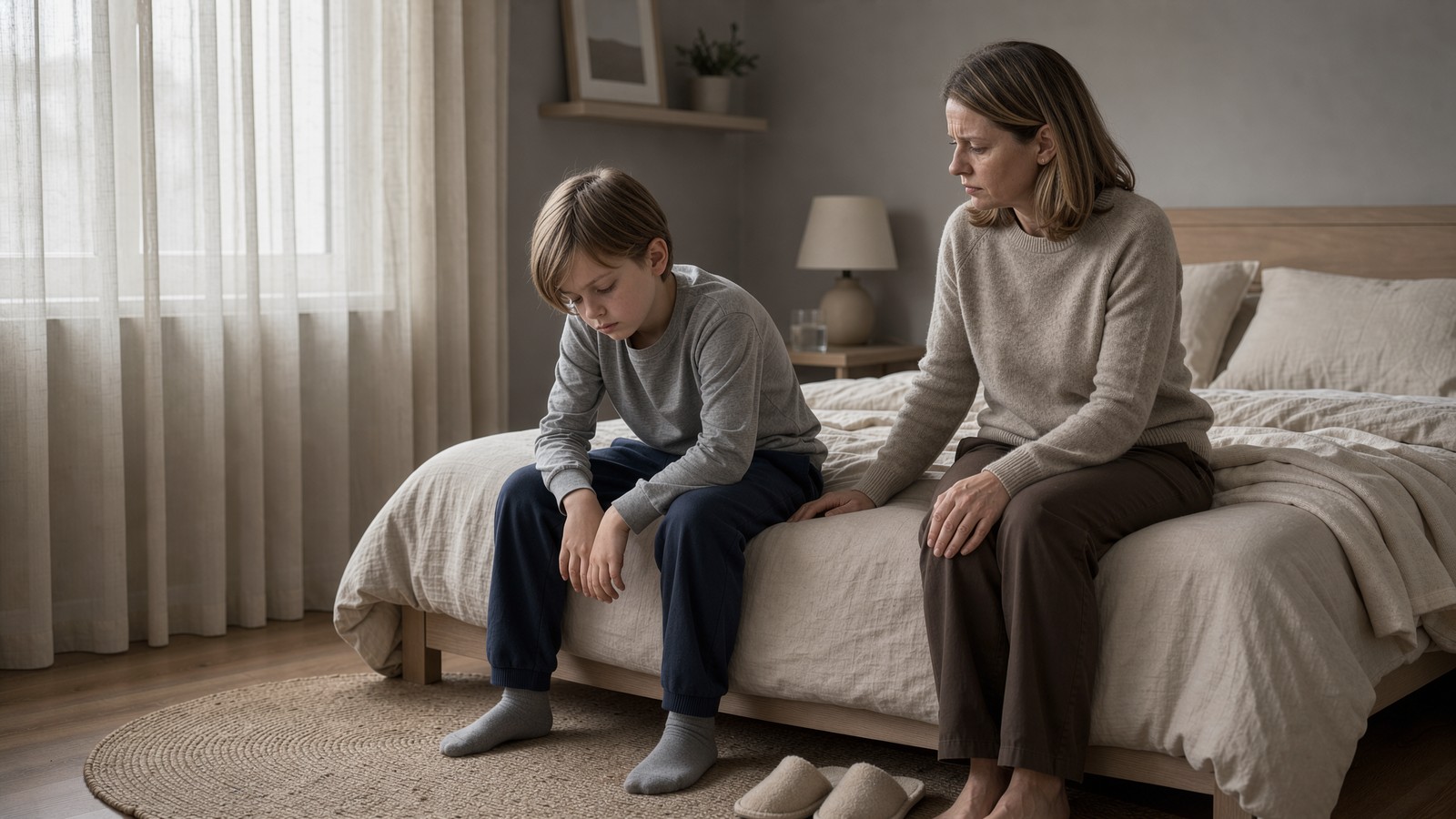
Social Anxiety in Children: More Than Just Shyness
Is your child just shy, or is something more serious happening? This is one of the most common questions parents ask when their child consistently avoids social situations, refuses to speak in class, or melts down before birthday parties. The answer matters because while shyness is a normal temperament trait that many children outgrow with gentle support, social anxiety disorder is a treatable mental health condition that rarely resolves on its own.
Social anxiety disorder is one of the most common anxiety disorders in childhood, with prevalence rates in children and adolescents comparable to those in adults. Unlike shyness, which typically fades as a child becomes comfortable in a setting, social anxiety persists for six months or longer and significantly interferes with school, friendships, and daily life. Children with social anxiety disorder experience intense fear of judgment, humiliation, or embarrassment in social situations, and this fear is so overwhelming that it prevents them from doing things they want or need to do.
Understanding the distinction between shyness and social anxiety helps you recognize when your child needs more than time and reassurance, and when professional support can make a real difference.
What Is Shyness?
Shyness is a temperament trait, not a disorder. A shy child may hesitate before joining a group, take time to warm up to new people, or prefer quieter activities over large gatherings. These children can and do participate in social situations once they feel comfortable. They make friends, speak in class (even if reluctantly), and engage in activities that matter to them, even when it feels uncomfortable at first.
Shy children may feel nervous before a new experience, but the discomfort is temporary and manageable. They adapt with patience and gentle encouragement. Most importantly, shyness does not stop a child from living their life. They can still go to school, attend birthday parties, and form meaningful relationships, even if they need a little extra time to feel at ease.
For many children, shyness lessens naturally as they mature and gain confidence through repeated positive social experiences. It is part of who they are, not something that needs fixing.
What Is Social Anxiety Disorder?
Social anxiety disorder is fundamentally different. According to the National Institute of Mental Health, children with social anxiety disorder experience persistent, intense fear of being judged, embarrassed, or humiliated in social situations (NIMH). This fear is so powerful that it drives avoidance, even when the child desperately wants to participate.
The Child Mind Institute notes that children with social anxiety disorder are not simply nervous or shy (Child Mind Institute). They are They are consumed by worry about being rejected, saying something embarrassing, or doing something that will make others think poorly of them.
This anxiety is not rational, and children with social anxiety disorder often recognize that their fear is out of proportion to the situation. But knowing that does not make the fear go away. The anxiety remains intense, persistent, and disabling.
How Does Social Anxiety Show Up in Children?
Social anxiety disorder can look different depending on the child's age and the specific situations that trigger their fear. Some children are afraid of performance situations like speaking in front of the class, trying out for a team, or playing an instrument at a recital. Other children fear social interactions more broadly and may struggle with conversations, eating in public, meeting new people, or even attending school.
Common signs of social anxiety disorder in children include:
Avoidance behaviors. The child refuses to go to school, skips birthday parties, avoids raising their hand in class, or drops activities they once enjoyed because the social demands feel unbearable. Avoidance provides temporary relief but strengthens the anxiety over time.
Physical symptoms. When forced into feared situations, children with social anxiety may experience shaking, sweating, rapid heartbeat, nausea, or difficulty breathing. Younger children may have tantrums, freeze, cling to a parent, or cry (NIMH).
Excessive worry before social events. A child with social anxiety may obsess for days or weeks before a school presentation, birthday party, or family gathering. The anticipation itself becomes distressing, often leading to stomachaches, headaches, or sleep disturbances.
Difficulty making or keeping friends. Social anxiety makes it hard to initiate conversations, join group activities, or respond naturally in social settings. Children may want friends desperately but feel paralyzed by fear of rejection or embarrassment.
Extreme self-consciousness. These children are intensely aware of how they might be perceived. They may worry about blushing, stumbling over words, or appearing awkward. This self-focus makes natural social interaction nearly impossible.
Reluctance to speak in certain settings. A child with social anxiety may speak freely at home but become silent at school, in restaurants, or around unfamiliar adults. This selective mutism is often a symptom of underlying social anxiety rather than defiance or shyness.
The defining characteristic is that these behaviors persist for six months or longer and cause significant distress or impairment in the child's daily life. If your child's fear of social situations is preventing them from attending school regularly, participating in age-appropriate activities, or forming friendships, that is not shyness.
Why Does Social Anxiety Disorder Develop?
Social anxiety disorder typically emerges during childhood or adolescence and results from a combination of genetic, neurological, and environmental factors. Children with a family history of anxiety disorders are at higher risk, suggesting a genetic component. Research also shows that certain temperament traits, particularly behavioral inhibition (a tendency to withdraw from unfamiliar people or situations in infancy and early childhood), are associated with higher rates of social anxiety later on.
Environmental factors play a role as well. Children who experience bullying, peer rejection, or social humiliation may develop social anxiety as a protective response. Overprotective or highly critical parenting styles can also contribute, though it is important to note that social anxiety disorder is not caused by bad parenting. It is a complex condition influenced by multiple factors, and no single cause is to blame.
The brain's fear response system functions differently in children with social anxiety disorder. The amygdala, the part of the brain that processes fear, may be more reactive to social threats, leading to an exaggerated fear response in situations that other children find manageable.
When Should You Seek Help?
Not every shy or anxious child needs therapy, but certain signs indicate that professional support is warranted:
- Your child's fear of social situations has lasted six months or longer with no improvement
- Social anxiety is interfering with school attendance, academic performance, or participation in class
- Your child has few or no friendships and seems isolated or lonely
- Avoidance behaviors are increasing over time rather than decreasing
- Your child experiences frequent physical symptoms (stomachaches, headaches, nausea) before or during social situations
- Tantrums, meltdowns, or emotional distress around social events are severe or frequent
- Your child expresses feelings of hopelessness, sadness, or low self-worth related to their social struggles
Social anxiety disorder does not go away on its own. Without treatment, it often persists into adolescence and adulthood, increasing the risk of depression, other anxiety disorders, and academic or occupational difficulties. Early intervention matters. When children receive appropriate treatment, they learn to manage their anxiety, develop social skills, and regain confidence in their ability to navigate the world.
How Is Social Anxiety Disorder Treated?
The good news is that social anxiety disorder is highly treatable. The most effective treatment for children is cognitive-behavioral therapy (CBT), often combined with gradual exposure to feared social situations.
Cognitive-behavioral therapy (CBT) helps children identify and challenge the distorted thoughts that fuel their anxiety. A child who believes "Everyone will laugh at me if I make a mistake" learns to test that belief and recognize that mistakes are normal, not catastrophic. CBT also teaches coping skills like deep breathing, positive self-talk, and problem-solving strategies that children can use when anxiety strikes.
Exposure therapy is a core component of CBT for social anxiety. Children gradually face feared situations in a controlled, supportive way, starting with less threatening scenarios and working up to more challenging ones. Each successful exposure weakens the anxiety response and builds confidence. Avoidance keeps anxiety alive; facing fear, in manageable doses, reduces it.
Play therapy can be especially effective for younger children who struggle to articulate their fears verbally. Through play, children express and process anxiety in a natural, developmentally appropriate way, building coping skills without the pressure of traditional talk therapy.
Family involvement strengthens treatment outcomes. Parents learn how to support their child's progress by offering encouragement without enabling avoidance, creating opportunities for social practice, and modeling healthy responses to social anxiety. Family therapy may also address any family dynamics that inadvertently reinforce the child's fear.
Medication may be considered if anxiety is severe or if the child is not responding adequately to therapy alone. Selective serotonin reuptake inhibitors (SSRIs) are first-line medications for social anxiety disorder in children and have shown effectiveness in reducing symptoms (Khalid-Khan et al., 2007). Medication is not a replacement for therapy but can reduce anxiety enough to allow children to participate more fully in therapeutic work.
Research shows that cognitive-behavioral therapy, with or without medication, produces significant improvement in the majority of children treated for social anxiety disorder. The earlier treatment begins, the better the outcomes.
What You Can Do at Home
While professional treatment is often necessary for social anxiety disorder, there are strategies parents can use at home to support their child:
Validate their feelings without reinforcing avoidance. Let your child know that you understand their fear is real and that you are there to help them face it. Avoid dismissing their anxiety ("There's nothing to be afraid of") or allowing them to avoid feared situations entirely. The goal is compassionate encouragement, not rescue.
Practice social situations together. Role-play conversations, practice introducing themselves to new people, or rehearse speaking in front of a small, supportive audience. Repetition builds confidence.
Celebrate small steps. Progress with social anxiety is incremental. If your child speaks one sentence in class after weeks of silence, that is a victory worth celebrating. Positive reinforcement encourages continued effort.
Model healthy social behavior. Children learn by watching. Show them what it looks like to handle social discomfort with grace, make small talk, or recover from an awkward moment. Normalize imperfection.
Avoid overprotecting. It is natural to want to shield your child from distress, but protecting them from every uncomfortable social situation prevents them from learning that they can tolerate and overcome anxiety. Gradual exposure, not avoidance, is the path forward.
If you have concerns about your child's social anxiety, trust your instincts. You know your child best, and if their fear is interfering with their happiness, development, or ability to function in daily life, reaching out for professional guidance is a wise and caring step.
Moving Forward
The line between shyness and social anxiety disorder is not always clear, but the key question is this: Is your child's discomfort manageable with time and support, or is it preventing them from living the life they want to live? Shy children adapt and participate, even if it takes them longer. Children with social anxiety disorder remain trapped by fear, unable to move forward without help.
Social anxiety disorder is not a character flaw, and it is not something children simply outgrow. But with the right support, children learn to manage their anxiety, build social confidence, and engage more fully with the world around them. Early intervention makes a lasting difference.
If your child is struggling with social anxiety, Life Enrichment Counseling Center offers children's counseling, play therapy, and family therapy to help children overcome anxiety and build confidence in social situations. Our therapists work with children and families across Northern Virginia (Gainesville, Alexandria, and Haymarket) and Port St. Lucie, FL, as well as online. Contact us to schedule a consultation and take the first step toward helping your child feel more comfortable in their own skin.
References
- American Psychiatric Association. (2013). Diagnostic and statistical manual of mental disorders (5th ed.). American Psychiatric Publishing.
- Khalid-Khan, S., Santibanez, M. P., McMicken, C., & Rynn, M. A. (2007). Social anxiety disorder in children and adolescents: Epidemiology, diagnosis, and treatment. Paediatric Drugs, 9(4), 227-237. https://pubmed.ncbi.nlm.nih.gov/17705562/
- Child Mind Institute. (n.d.). Social anxiety disorder in children: A quick guide. https://childmind.org/guide/quick-guide-to-social-anxiety-disorder/
- National Institute of Mental Health. (n.d.). Social anxiety disorder: More than just shyness. https://www.nimh.nih.gov/health/publications/social-anxiety-disorder-more-than-just-shyness