The Children We Call 'Resilient': Why That Label Can Mask Real Struggle

She was the easy child. The one who rolled with every move, every transition, every family upheaval without complaint. When her parents divorced, she comforted her younger siblings. When the family relocated for her father's job, she smiled through it. Teachers called her mature. Friends called her steady. Everyone called her resilient.
She arrived in our office at sixteen, after her second suicide attempt.
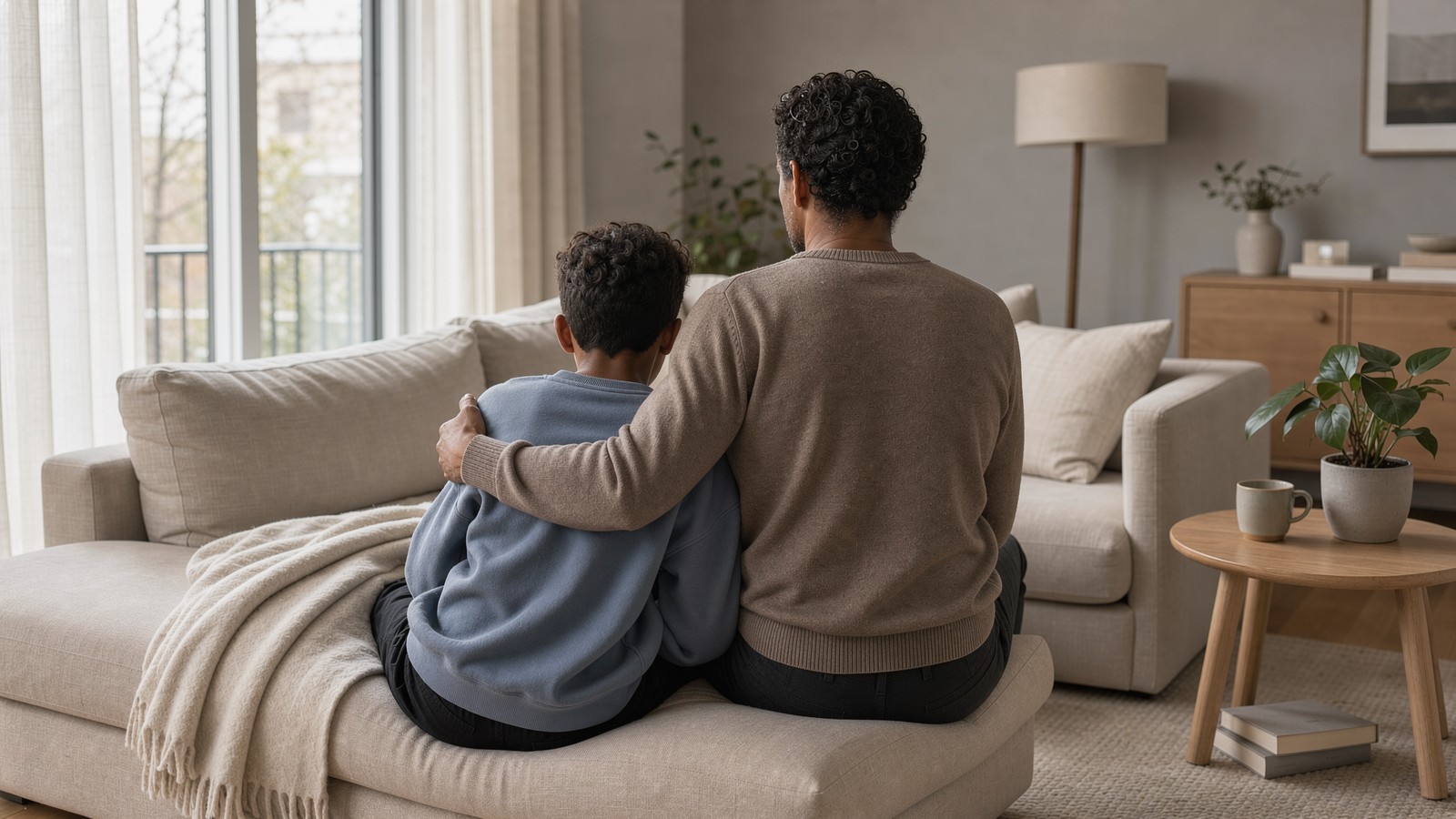
This pattern repeats itself in our work more often than many people realize. The children adults describe as resilient are sometimes the ones struggling most, precisely because that label gives everyone permission to stop watching, stop asking, stop worrying. Resilience becomes the reason not to intervene rather than evidence of a child's strength that still requires support.
Recent research suggests we may be overestimating what resilience actually protects against. A 2026 systematic review found that while resilience-based interventions can reduce anxiety and depressive symptoms in the short term, there is significantly less evidence for long-term protective effects (PMC, 2026). In other words, the children we believe have "bounced back" may simply be holding it together temporarily, not thriving permanently.
What Does "Resilient" Actually Mean (And When Does It Stop Being True)?
Resilience, in psychological terms, refers to the ability to adapt successfully despite adversity or risk. It's a real phenomenon backed by decades of research. Children with higher resilience do show better mental health outcomes. A meta-analysis of nearly 18,000 adolescents and young adults found that resilience correlated negatively with mental health problems (r = -0.391) and positively with well-being (r = 0.499) (NCBI, 2026).
The problem is how we use the term in practice. When adults call a child resilient, we rarely mean "this child has identifiable protective factors and adequate support systems." We usually mean "this child isn't visibly falling apart." The label describes an absence of obvious crisis, not the presence of genuine well-being.
And here's what two decades of serving families has taught us: the absence of visible struggle is not the same thing as the absence of struggle. Some children are extraordinarily skilled at appearing fine. They've learned that adults feel relieved when a child doesn't need much, so they provide less and less evidence that they need anything at all.
Why Does Labeling Children "Resilient" Sometimes Backfire?
First, it shifts our attention away from them. In families managing multiple stresses (financial strain, parental mental health challenges, a sibling with intensive needs), the "resilient" child becomes the one parents worry about least. Resources, time, and emotional energy flow toward whoever appears to need it most. The child who seems okay gets less support, not because the parent loves them less, but because there are only so many hours in a day and so much capacity to give.
Research on adverse childhood experiences (ACEs) shows that positive childhood experiences and stable relationships serve as protective factors that genuinely improve long-term outcomes (PubMed, 2026). But if we assume a resilient child doesn't need those protective experiences as much, we may inadvertently deprive them of exactly what would sustain their resilience over time.
Second, the label can become a trap for the child themselves. When everyone around you has decided you're the strong one, asking for help starts to feel like letting people down. Adolescents especially internalize these identities. They think, "Everyone believes I can handle this, so if I admit I can't, what does that make me?" The resilience label creates an expectation the child then feels obligated to perform.
Third, it can delay recognition of real problems. A 2026 study on children masking their difficulties found that some children expend tremendous effort appearing fine during the day, only to fall apart at home where the performance finally stops (PMC, 2026). Parents see the meltdowns at home but hear from teachers that their child is doing great at school, leading them to question whether the struggle is real or just manipulation. It's real. It's exhausting to mask distress all day, and the child who can hold it together in public is often the one using every ounce of energy to do so.
What We've Learned About "Resilient" Children Over Twenty Years
In two decades of family counseling, we've noticed consistent patterns in the children labeled resilient who eventually come to therapy:
They arrive later, and in deeper crisis. Because everyone assumed they were fine, warning signs were dismissed as temporary. By the time adults recognized the problem, the child had been struggling for months or years.
They struggle to ask for help. They've spent so long being the one others lean on that reversing the dynamic feels wrong. Many describe feeling guilty for "adding to" their family's stress.
They're often high achievers who use performance as coping. Academic success or caretaking for others becomes the way they maintain the appearance of being okay. When that performance finally falters, it's often treated as a sudden change rather than the culmination of long-building distress.
They minimize their own experiences. They frequently say, "I don't know why I'm here. Other kids have it way worse." They've internalized the message that their struggles don't count.
Resilience is real, valuable, and something we should absolutely help children develop. But the label should never become a reason to stop paying attention.
How Can We Support Resilient Children Without Overlooking Their Needs?
If you have a child others describe as resilient, or if you've relied on that label to reassure yourself that one of your children is okay, here's what actually supports their well-being:
Check in regularly, even when they seem fine. Don't wait for signs of crisis. Ask specific questions: "What's been hard this week?" rather than "How are you?" The first invites honesty; the second invites a reflexive "fine."
Acknowledge their strength without making it a requirement. "You've handled a lot, and I'm proud of how you've managed it. And you don't have to keep handling everything alone."
Notice when their coping strategies shift. If a child who usually manages stress through sports suddenly quits, or a social teen starts isolating, treat it as meaningful. The shift itself is the warning sign.
Make space for them in the family's emotional bandwidth. Children shouldn't have to fall apart to earn attention and support. Deliberately carve out time for the child who appears to need it least.
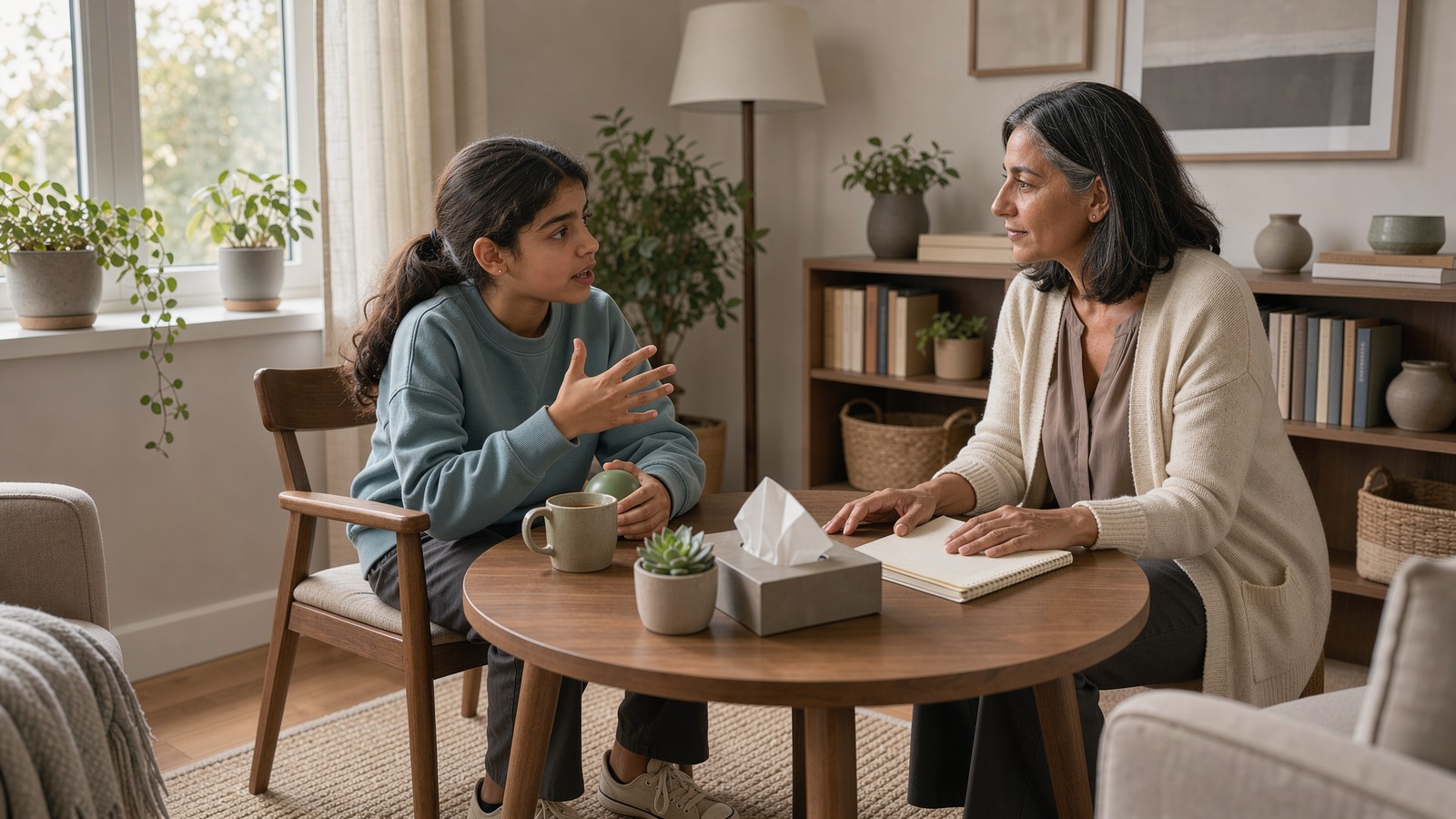
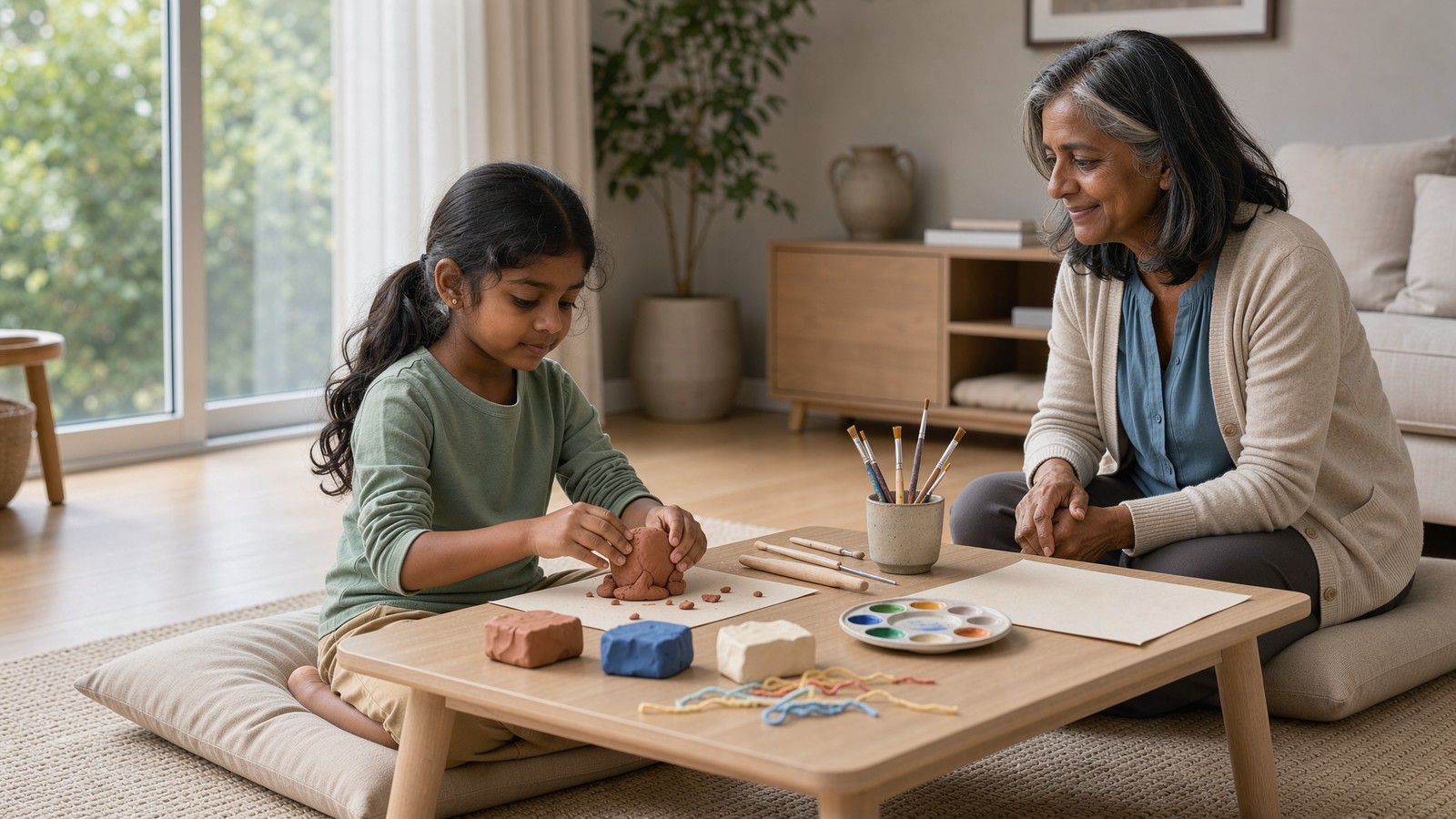
Offer therapy proactively, not reactively. Some of the most valuable counseling work we do is with children and teens who are functioning well but carrying more than they should.
Preventing ACEs and building positive childhood experiences reduces a staggering range of long-term negative outcomes, from chronic disease to mental health struggles (CDC, 2026). But those protective experiences don't happen automatically. They require intention, attention, and adults who keep watching even when a child seems fine.
The sixteen-year-old who arrived in our office after being the "easy" child her whole life is doing better now. Therapy gave her permission to stop performing resilience and start actually experiencing support. Her parents, who had genuinely believed she was fine, realized they'd mistaken her silence for strength.
She's still a strong kid. But now she's a strong kid who knows she doesn't have to carry everything alone.
If you have a child who seems to handle everything without complaint, who rarely asks for help, who everyone describes as mature or resilient, don't let that label stop you from looking closer. Life Enrichment Counseling Center has worked with families for more than twenty years across our offices in Gainesville, Alexandria, Haymarket, and Port St. Lucie. We've seen what's possible when families reach out before crisis, not after. You can reach us through our contact page to start that conversation.
References
About Adverse Childhood Experiences. (2026). Centers for Disease Control and Prevention. https://www.cdc.gov/aces/about/index.html
Development and pilot evaluation of the Children's Masking Questionnaire. (2026). National Center for Biotechnology Information. https://pmc.ncbi.nlm.nih.gov/articles/PMC13442543/
Effectiveness of resilience-based interventions to promote mental well-being among secondary school children: a systematic review. (2026). National Center for Biotechnology Information. https://pmc.ncbi.nlm.nih.gov/articles/PMC13000754/
Positive and Adverse Childhood Experiences and Adult Health and Economic Outcomes. (2026). PubMed. https://pubmed.ncbi.nlm.nih.gov/42120051/
The correlation between resilience and mental health of adolescents and young adults: a systematic review and meta-analysis. (2026). National Center for Biotechnology Information. https://www.ncbi.nlm.nih.gov/pmc/articles/PMC11848722/