Why 'Giving Thanks' Can Feel Impossible for Some Children (And What That Means for Parents)
Should you push your child to express gratitude when they clearly don't feel it? That question surfaces every November, as schools launch gratitude journals, families prepare for Thanksgiving conversations about what everyone is thankful for, and parents wonder whether their child's resistance to these exercises signals ingratitude or something deeper.
The answer from two decades of working with families is more nuanced than the gratitude movement suggests. Yes, gratitude correlates with better mental health outcomes in children and adolescents. A 2026 study tracking 660 adolescents over two years found that those whose gratitude increased or improved over time showed reduced risk of depression, mediated by higher self-esteem (Zhao et al., 2026). That's real, measurable, and worth supporting.
But here's what the research also shows, and what we see repeatedly in our offices: for children already struggling with depression, anxiety, or trauma, forced gratitude doesn't just fail to help. It can deepen their distress, add shame to an already heavy emotional load, and teach them that their real feelings are unacceptable.
Gratitude is a powerful tool for many children. For some, it's another weight they can't carry.
Why Does Gratitude Feel Impossible for Some Kids?
When a child resists gratitude practices, adults often assume ingratitude or entitlement. But children who struggle with these exercises aren't being defiant. They're navigating a cognitive and emotional reality that makes identifying positive things genuinely difficult.
Depression disrupts the capacity to experience pleasure or hope. A child with depression doesn't choose negativity. Their brain filters information differently, prioritizing threats and minimizing rewards. Asking them to list gratitude when their internal experience is emptiness isn't teaching resilience. It's asking them to perform a feeling they cannot access.
Anxiety works similarly. Anxious children scan for danger, not safety. Their nervous system stays activated. Gratitude exercises highlighting what's good can feel cognitively dissonant when their entire system signals nothing is safe. The gap between what they're supposed to feel and what they actually feel intensifies the anxiety.
For children who experienced trauma, instability, or loss, gratitude can feel like betrayal. When survival and grief dominate, gratitude isn't step one. Acknowledgment of what's hard must come first. When adults skip to gratitude, the message becomes: your pain doesn't matter, only your performance of positivity does (Whole Child Initiative, 2026).
What Happens When We Force It Anyway?
Over twenty-one years of family counseling, we've worked with many children whose relationship with gratitude became a source of shame rather than support. They describe feeling broken or defective because gratitude practices that "work for everyone else" leave them feeling worse. They learn to lie, writing down things they're supposed to be grateful for without feeling any of it, because that's what makes the adults happy.
This is what toxic positivity looks like in practice. When gratitude becomes a command rather than a choice, it stops being a wellness practice and starts being emotional suppression. Children learn that negative emotions are unacceptable, that struggling means they're not trying hard enough, and that they should hide their real feelings to avoid disappointing the adults around them.
Research on toxic positivity in children confirms what we see clinically: when children are taught that only positive emotions are acceptable, they struggle to build genuine emotional regulation and resilience. Instead of learning to process difficult feelings, they learn to mask them (Today, 2021). That masking takes enormous energy. A 2026 study on children who mask their difficulties found that some children expend significant effort appearing fine during structured settings, only to fall apart when the performance finally stops (Delara et al., 2026).
For children already carrying anxiety, depression, or trauma, adding gratitude performance to the list of things they must manage doesn't lighten their load. It adds to it.
When Does Gratitude Actually Help?
This isn't an argument against gratitude. The research is solid: gratitude interventions can reduce anxiety and depression symptoms and improve life satisfaction when implemented thoughtfully (Diniz et al., 2023). For children who are emotionally regulated and not in active distress, gratitude practices can help.
But gratitude works best when it emerges organically, not when imposed. For children in distress, gratitude needs to wait until distress is first acknowledged. You cannot build gratitude on top of unprocessed pain. The foundation has to be: your feelings are real, your struggles matter, and you don't have to pretend to be okay. Only after a child feels genuinely seen can gratitude emerge without feeling like betrayal.
What Can Parents Do Instead?
If your child resists gratitude exercises, or if Thanksgiving dinner questions about "what you're thankful for" make your child withdraw, here's what actually helps:
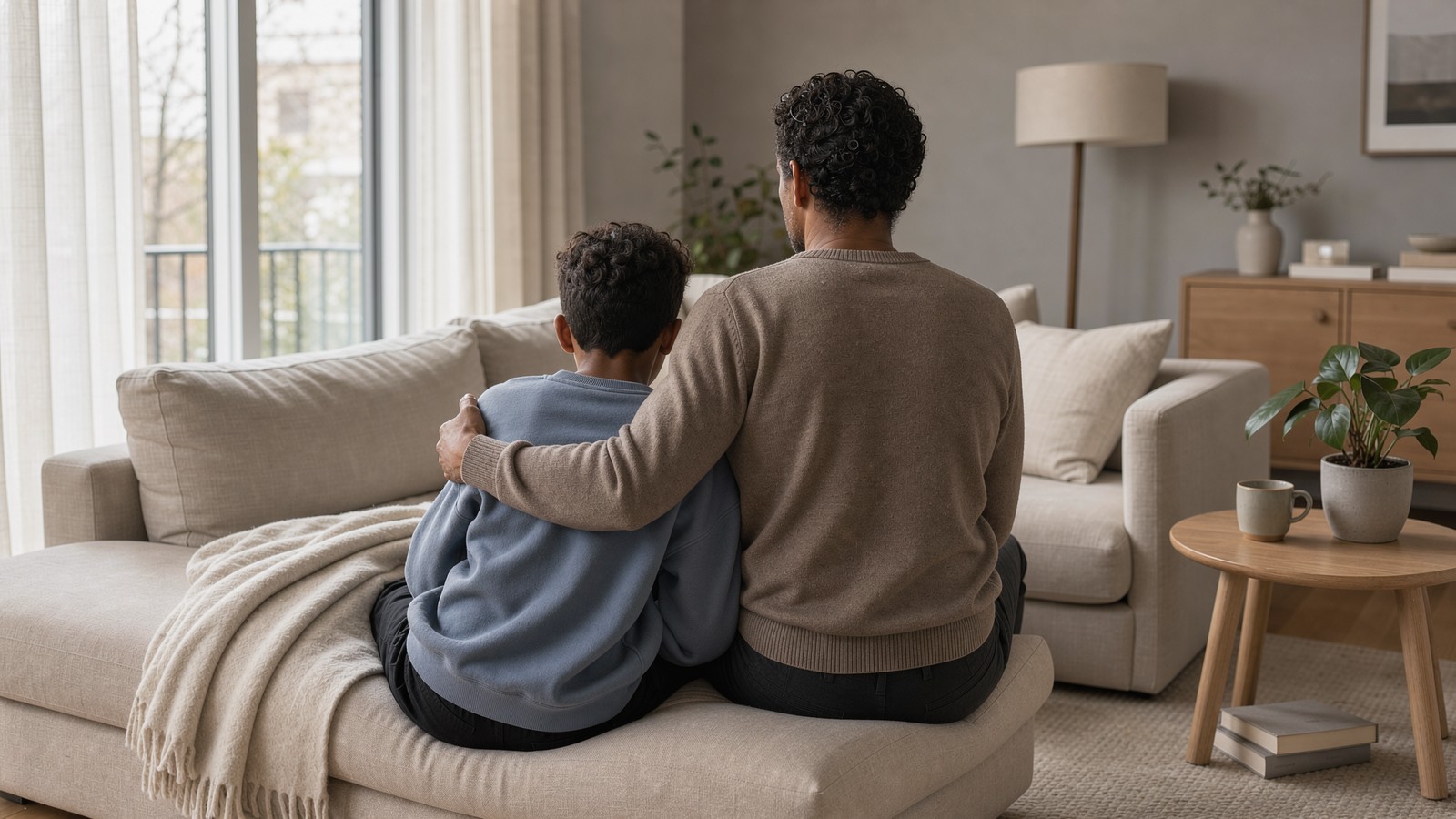
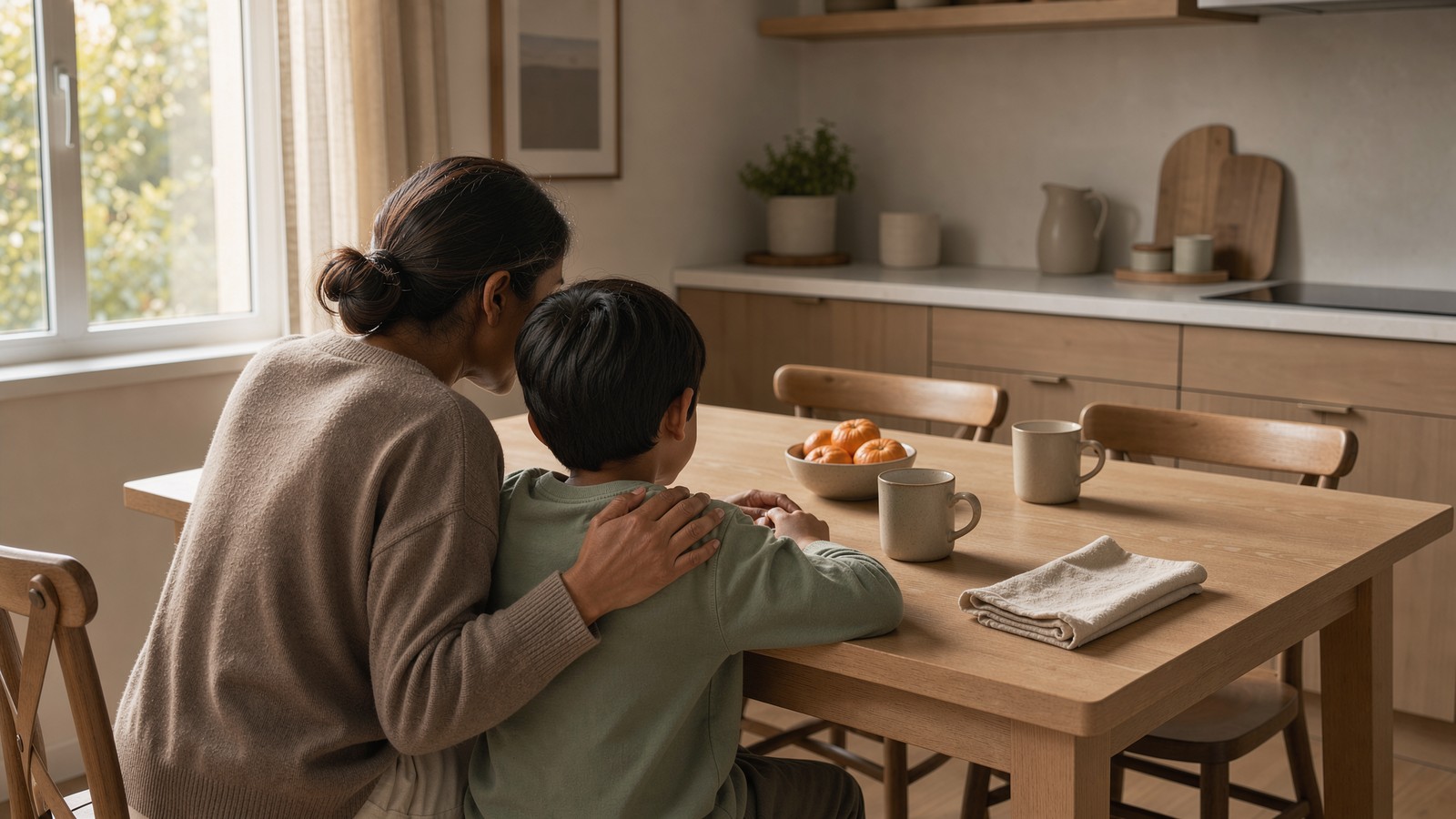
Validate their reality first. Before asking what's good, acknowledge what's hard. "I know this has been a difficult year for you" goes further than "but we have so much to be grateful for." Children need to feel their pain is real before they can access anything else.
Make gratitude optional. If your family does a gratitude practice, give children the option to pass. Removing pressure often makes participation feel safer.
Model authentic emotional range. Let your children see that you experience all feelings, not just positive ones. "I'm frustrated today" or "I'm sad about this" teaches them that emotions are acceptable, which is the foundation for regulation. (For more on how your emotional health affects your children: Self-Care for Parents: Why Your Well-Being Matters to Your Whole Family.)
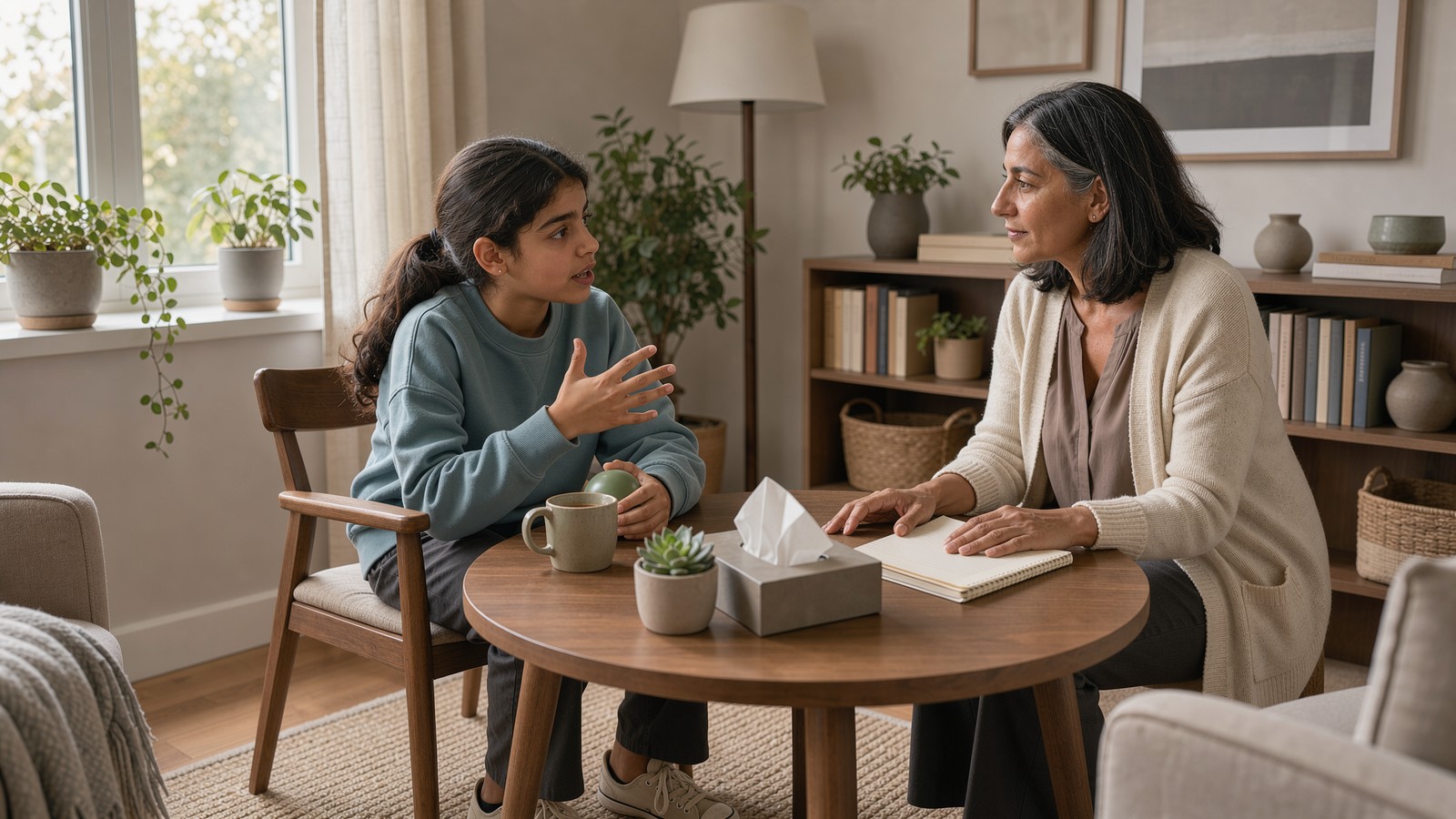
Seek support if distress persists. If your child shows signs of depression, anxiety, or trauma, those symptoms need therapeutic intervention, not gratitude exercises. If you or your child ever experience thoughts of self-harm or suicide, call or text 988 (Suicide & Crisis Lifeline). In an emergency, call 911.
The Real Goal
The children who grow into genuinely grateful adults are often not the ones forced to perform gratitude as kids. They're the ones whose full emotional range was accepted, whose pain was validated, and who learned that all feelings are information, not character flaws.
Twenty-one years of serving families has taught us this: the goal isn't raising children who can list ten things they're grateful for on command. The goal is raising children who feel safe enough in their own emotional experience that gratitude can emerge naturally when it's real.
Some Novembers, gratitude isn't the lesson your child needs. Some years, the lesson is: you're allowed to struggle, your feelings make sense, and you don't owe anyone thankfulness you don't feel. Gratitude will come, but only after they know their pain is just as welcome as their joy.
If your child is struggling this season (or any season) and traditional approaches like gratitude exercises aren't helping, that's not a sign they're broken or ungrateful. It's a sign they need support that meets them where they actually are. Life Enrichment Counseling Center has served families across Northern Virginia and Florida for more than twenty years, and we understand that healing doesn't follow a script. Whether your child needs help processing anxiety, depression, trauma, or the weight of expectations they can't meet, our team provides compassionate, individualized care in Gainesville, Alexandria, Haymarket, and Port St. Lucie. You can reach out through our counseling request form to start a conversation about what your child actually needs right now.
References
Delara, L., O'Donnell, N. A., Baldoza, S., Belcher, H., Halsall, J., O'Brien, S., Sanctuary, L., & Hull, L. (2026). Development and pilot evaluation of the Children's Masking Questionnaire. Frontiers in Psychiatry. https://pmc.ncbi.nlm.nih.gov/articles/PMC13442543/
Diniz, G., Korkes, L., Tristão, L. S., Pelegrini, R., Bellodi, P. L., & Bernardo, W. M. (2023). The effects of gratitude interventions: a systematic review and meta-analysis. Einstein (São Paulo), 21. https://www.scielo.br/j/eins/a/m8kqK5vgZ9wb4DxRtD877bd/?lang=en
Today. (2021). What is toxic positivity, and why is it bad for kids (and parents)? https://www.today.com/parents/toxic-positivity-why-being-too-positive-can-be-bad-kids-t214124
Whole Child Initiative. (2026). Gratitude and Trauma: Rethinking How We Teach Thankfulness. https://www.wholechildinitiative.org/our-blogs/gratitude-and-trauma
Zhao, N., Yang, X., & Kong, F. (2026). Sowing seeds of gratitude: the effect of the trajectories of adolescents' gratitude on depression and the mediating role of self-esteem. The Journal of Positive Psychology. https://www.tandfonline.com/doi/full/10.1080/17439760.2025.2469513